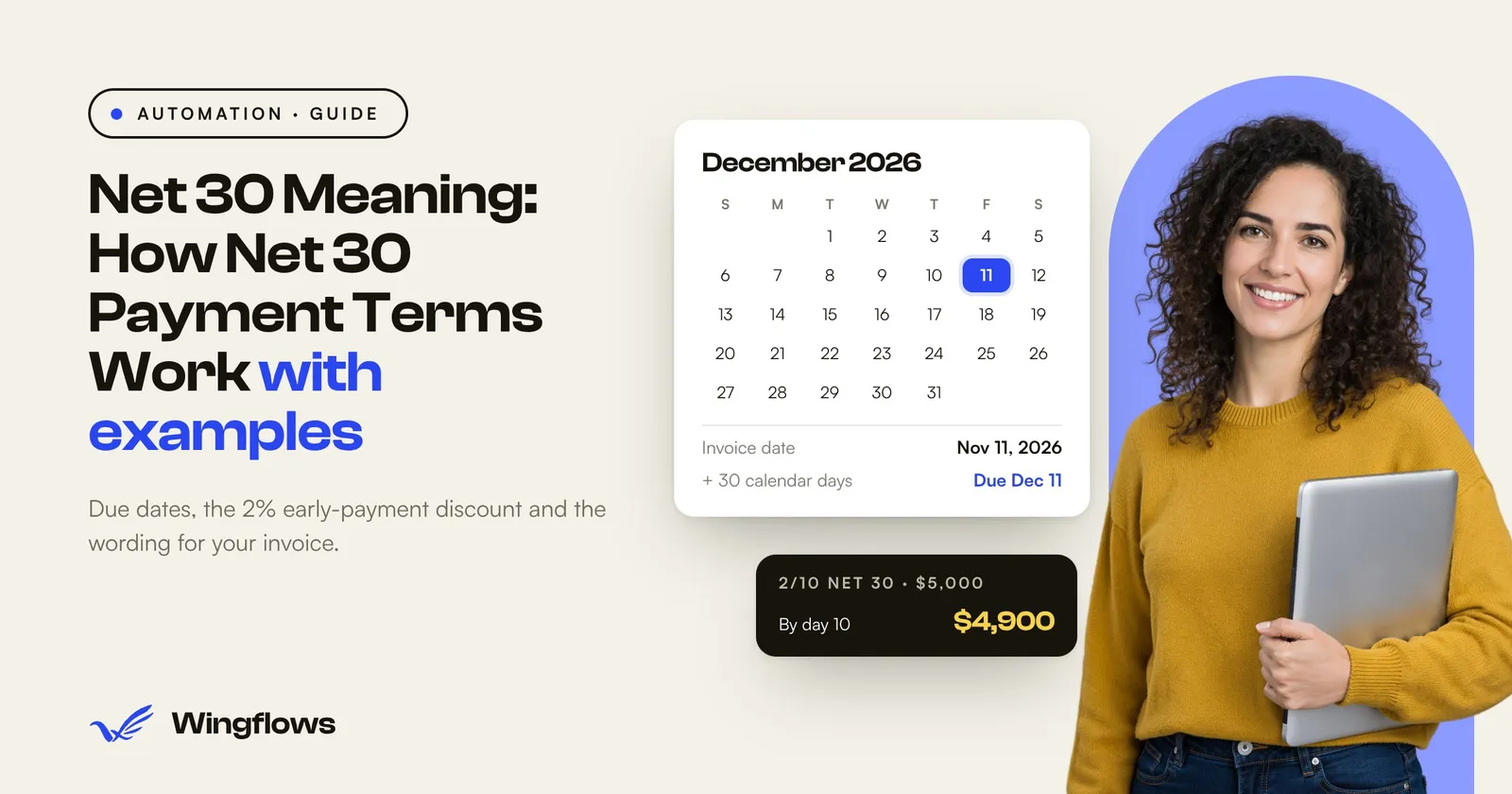
Net 30 meaning: the buyer must pay the full invoice amount within 30 calendar days of the invoice date. An invoice dated November 11, 2026 on net 30 terms is due by December 11, 2026. “Net” means the whole balance, and the 30 days are calendar days, so weekends count.
An invoice dated January 1, 2026 on net 30 was due on a Saturday, January 31. A private invoice has no default rule for that case, so the date has to be written down.
Wingflows’ free invoice generator, which I use for my own client invoices, fills in the due date from the payment terms.
Key takeaways
- Net 30 means the full amount is due 30 calendar days after the invoice date, unless your contract says the clock starts at delivery or completion.
- There is no universal weekend rule for private invoices. Print the exact due date on the invoice so nobody has to count.
- 2/10 net 30 gives the buyer 2% off for paying within 10 days. Skipping that discount works out to about 37% a year in our calculation, so a buyer with spare cash should usually take it.
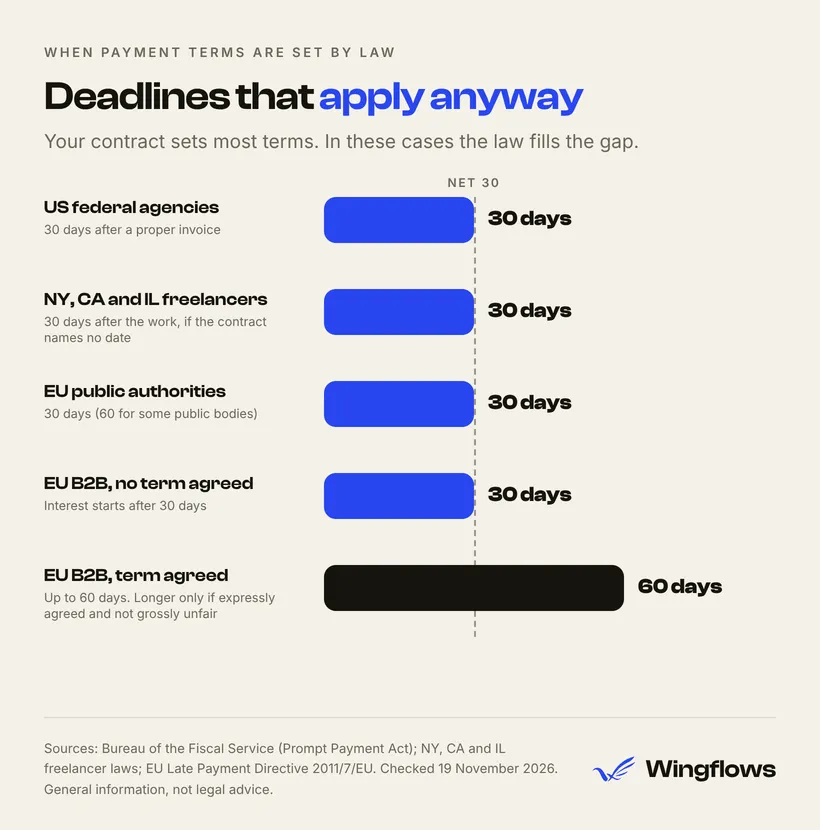
- Some deadlines are set by law. US federal agencies pay 30 days after a proper invoice. Freelancers in New York, California and Illinois must be paid within 30 days if the contract names no date. In the EU, interest on a late invoice starts after 30 days when no term is agreed, and agreed terms are capped at 60 days.
Checked on 19 November 2026 against the Bureau of the Fiscal Service, NYC DCWP, the Illinois Department of Labor and the text of EU Directive 2011/7/EU. General information, not legal or tax advice.
What does net 30 mean on an invoice?
Net 30 is a payment term. It tells the customer they owe the full amount within 30 calendar days. FreshBooks and Corpay, two invoicing and payments companies, both define it this way: the full invoice balance is due within 30 calendar days of the invoice date (FreshBooks; Corpay).
Three parts of the term matter:
- “Net” means the total due after any agreed discounts or credits. The customer pays the whole balance, not a deposit or an instalment.
- “30” is the number of days. Net 7, net 15 and net 60 work the same way with a different number.
- The start date is usually the invoice date. FreshBooks notes that a contract can start the clock at the date of sale, delivery or completion of the work instead. If your contract and your invoice disagree, expect the client to argue for the later date, so make them match.
In practice, net 30 is a short-term loan from you to your customer. You have delivered the work or the goods. The buyer keeps the cash for a month. You wait for it.
How to calculate a net 30 due date
Add 30 calendar days to the start date. Do not count the start date itself. The table below is our own calculation for a few invoice dates.
Net 30 is not the same as “one month”: an invoice dated February 1 is due March 3, not March 1. The due date can also land on a weekend.
What happens when the due date is a weekend?
For private invoices there is no single rule. It depends on your contract. Some businesses treat the next business day as the deadline; others expect payment before the weekend.
US federal agencies do have a written rule. Under the Prompt Payment Act, the Treasury’s Bureau of the Fiscal Service says that when a payment due date falls on a weekend or federal holiday, payment is due the next business day (Bureau of the Fiscal Service).
On your own invoices, write the actual due date next to “Net 30”. “Terms: Net 30. Due: January 31, 2026” leaves nothing to interpret.
Net 30 vs other payment terms
Net 30 is one of several common terms. Here is how they compare, using the definitions from the guides above.
Combined terms such as “net 30 EOM” are read differently from one company to the next. If you use one, spell out the date it produces.
2/10 net 30: is the early-payment discount worth it?
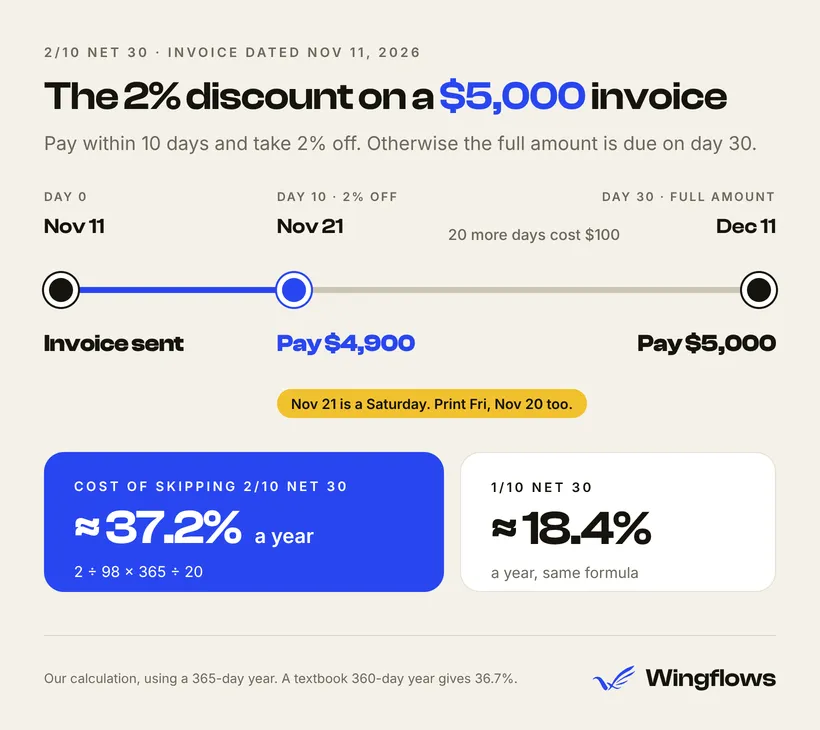
2/10 net 30 means the buyer can take 2% off the invoice if they pay within 10 days. Otherwise the full amount is due in 30 days (Corpay).
Our calculation for a $5,000 invoice dated November 11, 2026:
- Pay by November 21 and the buyer pays $4,900.
- Pay by December 11 and the buyer pays $5,000.
November 21, 2026 is a Saturday, so print the discount date as well, for example “Pay $4,900 by Friday, November 20”, or state that the next business day counts.
The buyer who waits keeps $4,900 for 20 more days and pays $100 more for those 20 days. A standard corporate-finance formula turns that into an annual rate: discount ÷ (100 − discount) × days in the year ÷ (full credit days − discount days) (Touro University, Corporate Finance).
For 2/10 net 30, using a 365-day year, that’s 2 ÷ 98 × 365 ÷ 20 = about 37.2% a year (our calculation). The textbook uses a 360-day year and gets 36.7%. The textbook’s compounded figure is about 43.9%. A 1/10 net 30 discount works out to about 18.4% (our calculation, same formula).
- As a buyer, skipping a 2/10 discount is an expensive way to borrow. If you have the cash, taking it usually pays.
- As a seller, a 2% discount is a real cost. Offer it when getting paid 20 days sooner is worth 2% of the invoice to you, for example when you would otherwise draw on a credit line.
Should you offer net 30 terms?
Net 30 makes sense when the client is a business that pays on a schedule, the relationship is ongoing, and you can cover your own costs for the month you wait.
It works against you when:
- The client is new and you know nothing about how they pay.
- The job has large upfront costs, such as materials, subcontractors or software licences.
- Your own bills are due before the client’s money arrives.
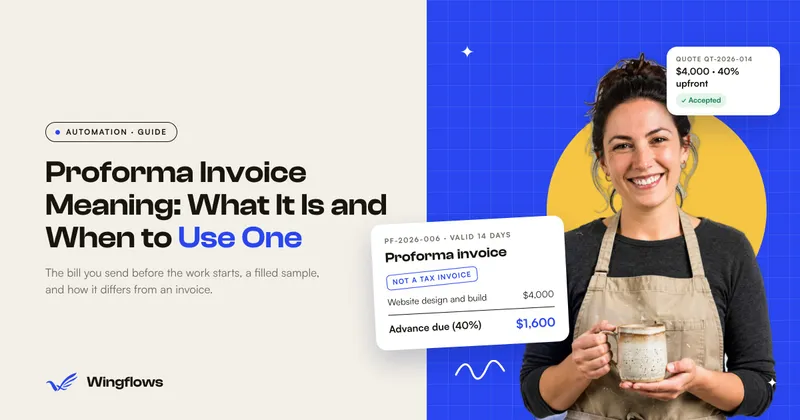
In those cases, ask for a deposit before you start and use a shorter term for the balance. A proforma invoice works well for the deposit, since it gives the client a document to pay against before the final invoice exists.
The tips on our freelance invoice generator page also suggest a specific short due date instead of “on receipt” and a late fee written in plain words. If you need to agree terms before the work begins, put them in the quote. Our quotation maker lets you set an advance percentage and turn the accepted quote into an invoice.
When payment terms are set by law
Your contract decides most terms, but some buyers and some workers have deadlines set by law. The table summarises the main rules for US federal agencies, US freelancers and EU businesses.
The freelancer laws apply above a threshold. In New York City and New York State it is $800 within 120 days (the state law has been in force since August 28, 2024). In California it is $250 or more for professional services within 120 days (since January 1, 2025). In Illinois it is $500 or more within 120 days, for contracts made after July 1, 2024 (IL Dept. of Labor).
Under the US federal rules an invoice missing required information is returned within 7 days, and the 30 days start only when a proper invoice arrives.
In the EU, a payment term written into the contract may not exceed 60 days, unless the contract expressly agrees otherwise and the term is not grossly unfair to the supplier. The Commission has proposed withdrawing a 2023 plan to replace the directive with a regulation (listed in its 2027 work programme in November 2026), so the 2011 directive still applies (checked 19 November 2026).
Elsewhere, check the rules where you and your client are based before you set a late fee or interest rate.
How to write net 30 on an invoice
Use these steps for your next invoice. Most of it you set up once and reuse.
Agree the term before the work starts. Put "Payment terms: Net 30 from invoice date" in your quote or contract, so the invoice only repeats what the client already accepted.
Show the term and the date. Near the top of the invoice, write the invoice date, "Terms: Net 30" and the calculated due date.
State what happens if it's late. If your contract includes a late fee, repeat it in one plain sentence on the invoice.
Make paying easy. Put your bank details or a payment link on the invoice itself, plus the invoice number the client should quote.
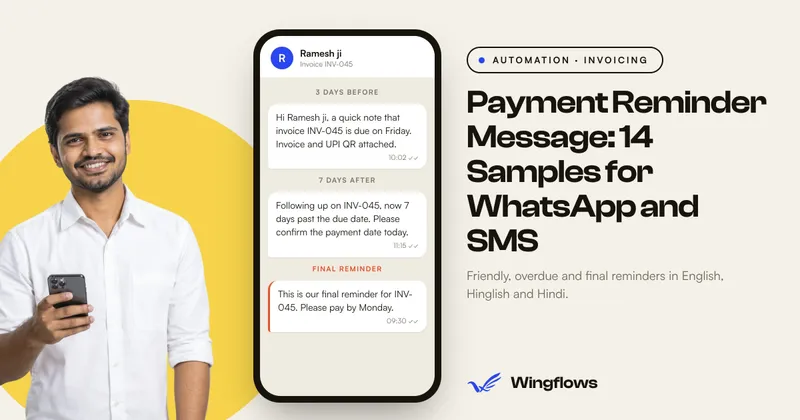
Plan your reminders now. Put two dates in your calendar: a friendly note a few days before the due date and a firmer one the day after it. Our payment reminder messages have wording you can copy.
Example wording you can copy:
Terms: Net 30. Due: December 11, 2026. Please pay by bank transfer to the account below and quote invoice number 2026-041. As agreed in our contract, invoices unpaid after the due date incur a late fee of [your rate].
Fill in the late-fee rate from your own contract, and check it against the rules where you work.
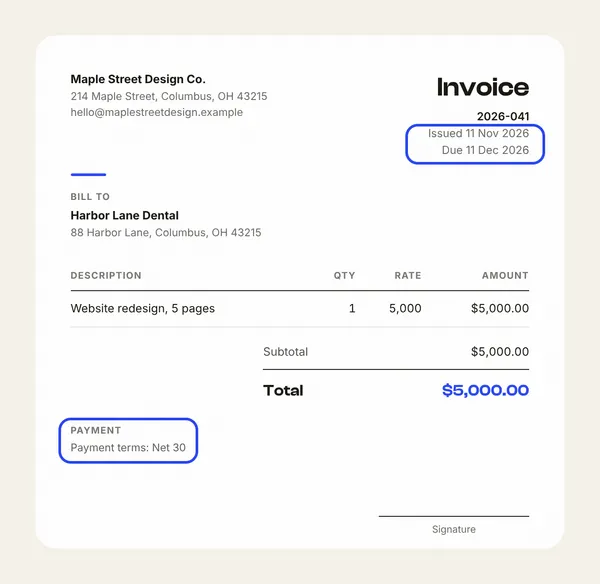
If you’d rather not count days, our free freelance invoice generator has a Net 30 option that fills in the due date from the invoice date. It also handles Net 7, Net 15 and Net 60, and you download the invoice as a PDF without an account. The screenshot shows an invoice issued November 11, 2026 with Net 30 selected: the tool fills in December 11, 2026 as the due date.
When chasing net 30 invoices becomes a system problem

A handful of invoices a month is easy to track in a calendar. Once you send dozens, matching bank credits to invoice numbers is where tracking by hand breaks down. QuickBooks and Xero already automate part of that, and our accounting automation guide lists what they cover before you build anything new.
When they stop fitting the way you invoice, we build business systems and automation around your process.
Frequently asked questions
Does net 30 include weekends?
Yes. Net 30 counts calendar days, so weekends and holidays are included. If the 30th day falls on a weekend, your contract decides whether payment moves to the next business day. US federal agencies follow a written rule that moves it to the next business day.
Is net 30 from the invoice date or the delivery date?
Usually the invoice date. A contract can start the clock at the date of sale, delivery or completion of the work instead. Write the start point in your contract and the actual due date on the invoice.
What does 2/10 net 30 mean?
The buyer can take a 2% discount by paying within 10 days. If they don’t, the full amount is due within 30 days. On a $5,000 invoice that’s $4,900 by day 10 or $5,000 by day 30.
What is the difference between net 30 and due on receipt?
Due on receipt asks for payment as soon as the invoice arrives. Net 30 gives the customer 30 calendar days. Due on receipt prints no deadline, so it is easy to ignore. Net 7 or net 15 prints a date.
What is a net 30 account?
It’s a trade-credit arrangement where a supplier lets a business buy now and pay within 30 days. Some suppliers report on-time payments to business credit bureaus, which is how a new business builds a credit file (Bluevine, a business lender). For your own customers, FreshBooks suggests checking a client’s history with a bureau such as Equifax Business before you offer terms (FreshBooks).
What can I do if a client pays a net 30 invoice late?
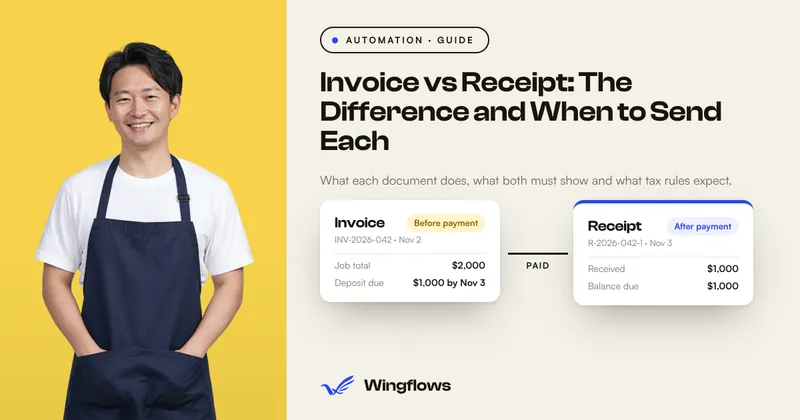
Send a reminder the day after the due date, then a firmer follow-up with the invoice attached. The payment reminder messages post has wording for each stage. Charge a late fee only if your contract allows it. Freelancers in New York, California and Illinois, and businesses in the EU, have statutory rights described above. Once you are paid, a receipt confirms you were paid (see invoice vs receipt for what it should show).
Make your next net 30 invoice
Open the free freelance invoice generator, pick Net 30 and download a PDF with the due date filled in. For a general invoice without freelance fields, use the main invoice generator.